
This site is intended for Indian residents.
This site is intended for Indian residents.

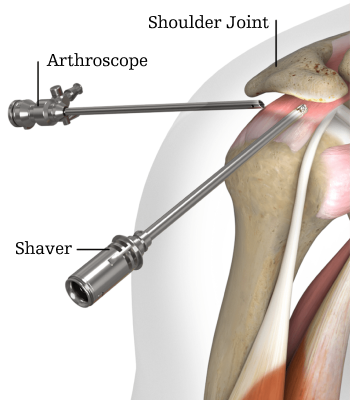
If non-surgical treatment like physical therapy or medications don’t provide enough relief and helping you move your shoulder comfortably again, your doctor may recommend a shoulder arthroscopy. In this minimally invasive procedure, also known as keyhole surgery, your doctor will make small incisions or cuts around your shoulder to access the joint and treat the injury.
What happens during surgery?
During a shoulder arthroscopy procedure, your doctor inserts a tiny camera called an arthroscope through one of the cuts made around your shoulder. The arthroscope allows your surgeon to see and examine the tissues inside and around your shoulder joint in real time through a video monitor. Your surgeon will use the camera to guide surgical instruments through the other incisions around your shoulder to assess and repair or treat the damaged part of your joint. A shoulder arthroscopy procedure may help relieve pain and improve shoulder movement.
The duration of surgery may vary depending on the condition of your joint and treatment approach.
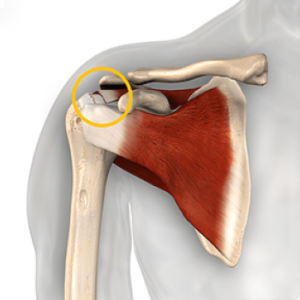
What shoulder problems are addressed with shoulder arthroscopy?
The information provided on this website is for general informational purposes only and is not intended as a substitute for professional medical advice, diagnosis, or treatment. Always seek the guidance of a qualified healthcare professional with any questions you may have regarding a medical condition or treatment options. Stryker does not dispense medical advice. This website may include contact details of hospitals, shared solely to help patients identify and contact healthcare facilities. Inclusion in this contact list does not imply endorsement, affiliation, or recommendation by Stryker India Pvt. Ltd. (“Stryker”). The information displayed is published with the consent of the respective institutions and is believed to be accurate at the time of posting. Stryker shall not be liable for any direct, indirect, incidental, or consequential damages arising out of or in connection with the use or misuse of the content on this website or the services of any listed providers. This website may contain links to external websites not operated or controlled by Stryker. We are not responsible for the content, accuracy, or privacy practices of such external sites. All content on this website, including text, graphics, logos, and other materials, is the property of Stryker or its licensors and is protected under applicable intellectual property laws. Unauthorized use is strictly prohibited. Stryker reserves the right to modify or update this disclaimer at any time without prior notice. Continued use of the website constitutes acceptance of any changes made.