MIRCTs arthroscopy surgery

What shoulder problems are addressed with shoulder arthroscopy?

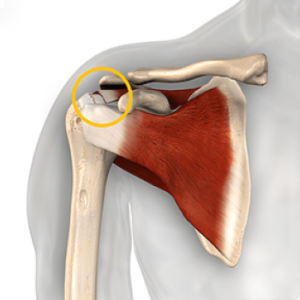
Shoulder arthroscopy is used to diagnose and treat various conditions including partial thickness rotator cuff tears (RCTs), full thickness RCTs and massive reparable and irreparable RCTs.
Partial and full thickness RCTs Treatment may include one or combination of:
  • Debridement – Trimming or smoothening of the joint
  • Biceps tenotomy – release of biceps tendon from the shoulder
  • Rotator cuff tendon repair – re-attaching or stitching the tendon back to the head of the upper arm bone
Massive irreparable RCTs (MIRCTs) Treatment may include one or combination of:
  • Debridement – Trimming or smoothening of the joint
  • Biceps tenotomy – release of biceps tendon from the shoulder
  • Partial rotator cuff tendon repair or a subacromial balloon spacer
Talk to your doctor about the best treatment suited for your shoulder condition.
shoulder-arthroscopy-rotator-cuff-tear-2

What is a subacromial balloon spacer?

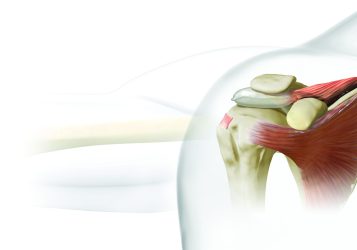
A subacromial balloon spacer is an inflatable device made of a biodegradable polymer material to fit different shoulder anatomies. This minimally invasive biodegradable, balloon spacer is used for arthroscopic treatment of MIRCTs. If you are 65 years old or older and have MIRCTs, this may be a treatment option for you.

3d rendered illustration of the human skeleton

What happens during surgery?

During a minimally invasive arthroscopic surgery, the subacromial balloon spacer is placed under your shoulder bone. This helps to temporarily reduce rubbing between your shoulder bone and upper arm bone (humerus), thereby relieving pain, enabling bones in your shoulder to glide smoothly and restoring joint movement1.

Watch the video to know more.


After surgery, the balloon spacer breaks down in your body over time and has been shown to completely break down after about one year.

Like any surgery, this surgery involves risks. Discuss treatment options with your doctor to know if balloon spacer is right for you.


  • MIRCTs patients below 65 years of age incl. children
  • Those with known allergy to the balloon spacer material
  • Those with active infection or tissue death in the shoulder area

Learn more about your treatment options