Shoulder

Why does my shoulder hurt?

To understand why your shoulder hurts, it helps to know how this important joint works.

Your shoulder is a ball-and-socket joint, where the round head of your upper arm bone (humerus) fits into the cavity of your shoulder blade (scapula) and collarbone (clavicle). When it’s working well, the joint allows you to lift your arm, throw, cook, drive – without even realizing it. But when something’s wrong, the pain can affect your daily life and can be debilitating.

Strong bands of tissue, called ligaments, keep these bones stable and in the right position. Cartilage acts as a natural cushion, preventing bones from rubbing against each other and absorbing the impact of daily movements like walking, running, or jumping.

Your body also produces a natural fluid called synovial fluid, which keeps the joint well-lubricated and moving smoothly.

When all these parts work together, your knee moves easily – without you even noticing. But when something goes wrong, the pain and stiffness can make even simple movements feel difficult.


Causes

Arthritis

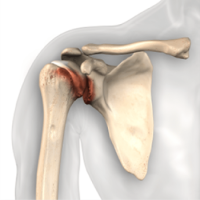
Arthritis causes breakdown of cartilage, the smooth tissue covering bones. As this cushioning this, the ball and socket of your shoulder joint begin to rub against each other. This leads to pain, swelling, and stiffness, making it harder to move your shoulder comfortably. The most common types of arthritis affecting shoulder are osteoarthritis, rheumatoid arthritis and post-traumatic arthritis.

understanding-shoulder-pain-2
shoulder-arthroscopy-rotator-cuff-tear-2

Rotator cuff tear

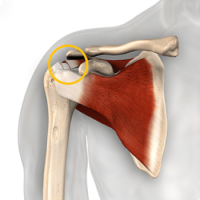
As we age, our muscles and tendons naturally weaken becoming susceptible to tear during a fall, sudden pulling or lifting or sports and gym/exercise that involve repetitive overhead movement. When a torn rotator cuff isn’t repaired, it affects the way your shoulder joint normally moves, placing it under increased stress. Over time, this can change the bone and nearby tissues, limiting movement and leaving your arm feeling weaker.1 Symptoms: pain in and around the joint, discomfort when lifting or rotating the arm, and may worsen the pain at night – especially when sleeping on the affected side.

shoulder-arthroscopy-rotator-cuff-tear-2

Shoulder fracture

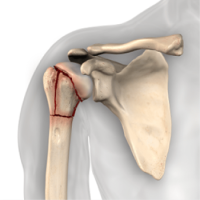
A shoulder fracture means you broke one of your three shoulder bones: upper arm bone (humerus), shoulder blade (scapula) and collarbone (clavicle). It can happen after a fall on the shoulder, accident or during contact sports. Most common type of fracture – proximal humerus fracture that affects the ball of the shoulder joint. Symptoms – pain, swelling, numbness, difficulty lifting the arm.

shoulder-pain-shoulder-fracture-2
shoulder-pain-shoulder-dislocation

Shoulder dislocation

A fall can move the ball of your shoulder out of the socket and towards front of the body leading to shoulder dislocation. Once it happens, the chances of it happening again increases.

shoulder-pain-shoulder-dislocation
Avascular Necrosis (AVN)
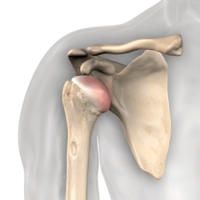
Our bones need blood supply to keep them healthy. AVN occurs when this supply gets reduced or cut off leading to bone weakening and even collapse over time, damaging surrounding cartilages and soft tissues. In shoulder, AVN most commonly affects the top end of the upper arm bone (humerus)2.

What can I do?

If you or your family member is experiencing shoulder pain and stiffness, start by visiting a trusted hospital and speaking with your doctor immediately.

As a first step, your doctor will examine your shoulder and may recommend test like X-ray, CT-scan or MRI to diagnose or confirm the problem. In most cases, they’ll begin with non-surgical treatments such as medications, physiotherapy, lifestyle changes or activity modification to help relieve pain and improve shoulder movement.

If these options no longer provide relief, your doctor may discuss advanced treatments like arthroscopic surgery (minimally invasive or keyhole surgery) or shoulder replacement surgery to restore movement and comfort.

Where can I learn more

Living with shoulder pain can be draining, but right information can help. These resources can guide you as you learn more about your condition and treatment options.