Brain tumor treatment options

Every brain tumor is different, so are the treatment options and experiences. Most doctors will consider factors such as tumor type, size of the tumor and its location, your age and overall health while recommending the course of treatment.

A combination of treatments such as surgery, radiation or chemotherapy, and medicines may be recommended to achieve the best possible outcomes while maintaining safety and quality of life.

Screenshot 2026-07-27 at 7.50.59 AM

Treatment without surgery

A combination approach tailored to your requirement may be recommended before or after tumor removal surgery. Speak to your doctor about non-surgical options to know what best suit your condition.
treatment - radio therapy

i  

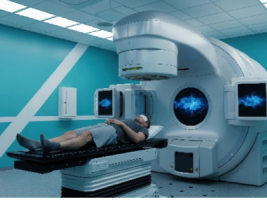
Radiation therapy
  • Uses high-energy rays to shrink or kill tumor cells
  • Given from outside the body (external beam) or in very focused forms (like stereotactic radiosurgery)
  • Multiple sessions required
treatment - Chemotherapy

i  

Chemotherapy
  • Uses anti-cancer medicines (via IV or oral) to stop growth or divide tumor cells
  • Often used along with surgery or radiation
treatment - Targeted therapy

i  

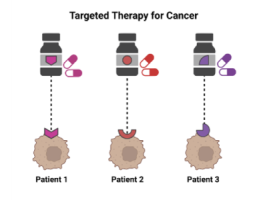
Targeted therapy
  • Acts on specific genes or proteins in tumor cells
  • Includes targeted drugs, immunotherapy, or precision medicine approaches
  • Not all tumors qualify—depends on tumor type and testing
treatment - Observation

i  

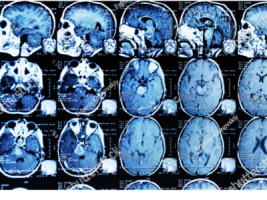
Observation (Wait & Watch)
  • If tumor is small and not causing any symptoms, your doctor can suggest just regular scans (MRI/CT) to track tumor growth.
  • Treatment is started only if the tumor grows or symptoms appear

Minimally invasive surgery

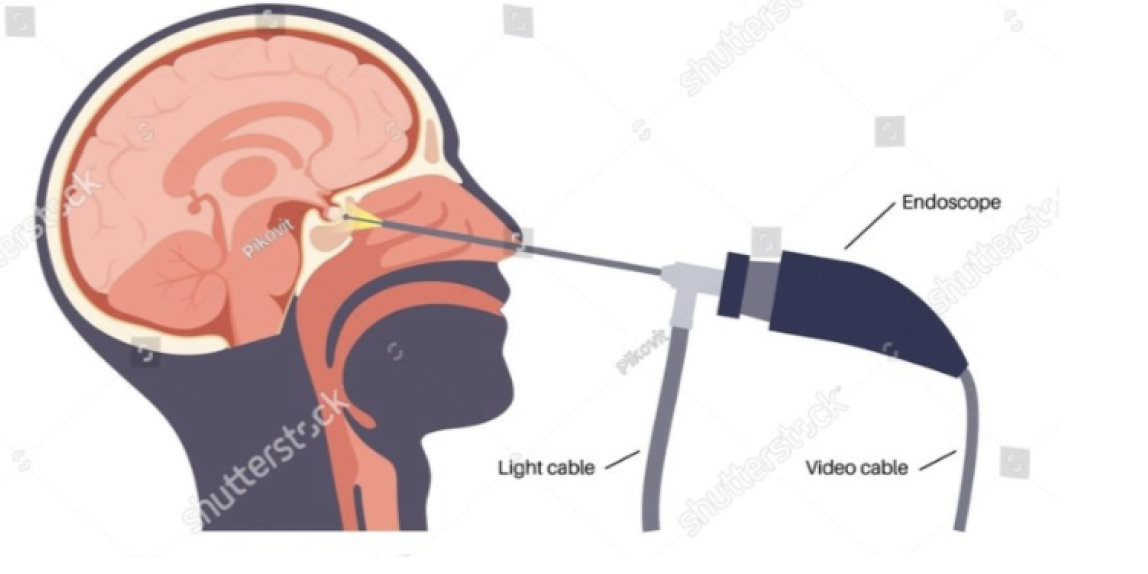
In a minimally invasive surgery, your neurosurgeon will make small cuts around your head area or use natural openings such as nose to reach the tumor using advanced surgical tools like endoscopes and navigation systems. These specialized tools are designed to reduce damage to surrounding healthy brain tissue and are suitable for selective tumor removal based on their size and location.

For patients, this usually means less post-operative pain, minimal scarring, shorter hospital stays, and faster recovery.

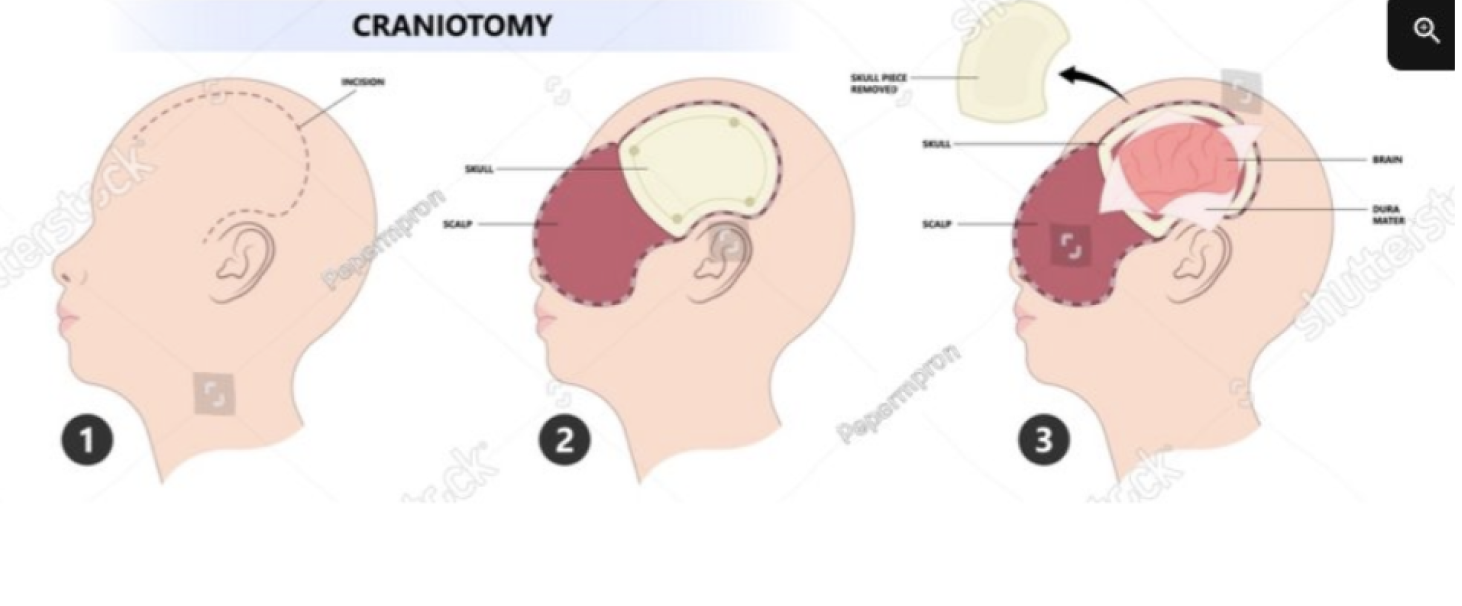
Open surgery (Craniotomy)

When a tumor is large, deep or complex, this is usually the most preferred surgical approach recommended by neurosurgeons. During surgery, the neurosurgeon temporarily removes a part of the skull to directly access the brain and tumor. This approach allows better visibility and control during surgery, increasing the chances of removing most of the or entire tumor.

Recovery is longer, often taking days to weeks, but an open surgery can provide significant symptom relief and is often followed by radiation or chemotherapy for complete treatment.