This site is intended for Indian residents.
You have choices when it comes to treating hip pain and the best approach is the one that fits your needs and lifestyle. Most doctors begin with non-surgical treatments to help reduce pain, ease stiffness, and improve movement. If these treatments no longer provide enough relief, your doctor may discuss advanced options, including hip replacement surgery, to help restore comfort and mobility.
Lifestyle adjustments, the use of walking supports, physical therapy, and anti-inflammatory medicines may help ease pain and reduce inflammation in the hip joint.
Talk with your doctor about non-surgical approaches to decreasing your hip pain. If these approaches don’t help, you’ve still got options.
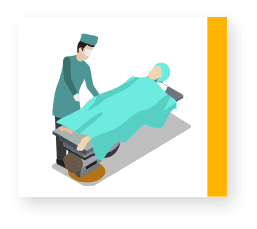
If non-surgical treatments like physiotherapy, medication, or lifestyle changes don’t provide enough relief, your doctor may recommend a hip replacement. This procedure has been one of the most significant advancements in orthopaedic care, helping people around the world regain mobility and reduce joint pain for decades. During the surgery, the damaged portions of bone and cartilage in the hip joint are carefully removed and replaced with artificial implants designed to replicate the smooth, natural movement of a healthy hip. Hip replacement surgery can help restore comfort, improve mobility, and allow you to return to many of the activities you enjoy.

What happens during the surgery
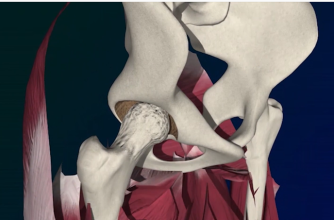
During a total hip replacement (also called total hip arthroplasty), your surgeon removes the damaged or arthritic parts of the hip joint and replaces them with artificial components. The upper part of the thigh bone (femur) is fitted with a metal stem and a smooth, rounded head that fits into a new socket in the pelvis, which is often lined with a durable material designed to reduce friction and allow smooth movement. Today, there are different techniques and technologies that can help surgeons perform hip replacement with greater precision and care. In some cases, robotic-assisted procedures or muscle-sparing approaches may be used to support accuracy and help reduce the impact on healthy tissue. Like any surgery, joint replacement involves risks. Your doctor can discuss these with you and help you understand what to expect before, during, and after your procedure.
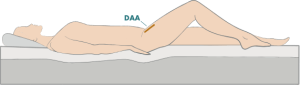
The hip joint is surrounded by muscles and soft tissue that support movement and stability. During hip replacement surgery, your surgeon needs to access the joint through these layers to reach the bones that make up your hip. In some cases, muscle-sparing or minimally invasive techniques may be used. These approaches involve smaller incisions and are designed to reduce the impact on surrounding muscles and tissue while allowing the surgeon to replace the damaged parts of the joint. Your surgeon will decide the best approach based on your anatomy, condition, and overall health. It’s always a good idea to discuss all available options with your doctor to understand which type of hip replacement surgery may be right for you.
Direct anterior approach
Robotic-assisted technology is changing the way hip replacement surgery is planned and performed. It combines the expertise of your surgeon with advanced tools designed to enhance precision and control during surgery.
With robotic assistance, your surgeon can create a personalized surgical plan based on the unique shape and condition of your hip. For patients, this means a procedure that’s tailored to their individual anatomy, performed with consistency and attention to detail – all guided by their surgeon’s skill and experience.
References:
The information provided on this website is for general informational purposes only and is not intended as a substitute for professional medical advice, diagnosis, or treatment. Always seek the guidance of a qualified healthcare professional with any questions you may have regarding a medical condition or treatment options. Stryker does not dispense medical advice. This website may include contact details of hospitals, shared solely to help patients identify and contact healthcare facilities. Inclusion in this contact list does not imply endorsement, affiliation, or recommendation by Stryker India Pvt. Ltd. (“Stryker”). The information displayed is published with the consent of the respective institutions and is believed to be accurate at the time of posting. Stryker shall not be liable for any direct, indirect, incidental, or consequential damages arising out of or in connection with the use or misuse of the content on this website or the services of any listed providers. This website may contain links to external websites not operated or controlled by Stryker. We are not responsible for the content, accuracy, or privacy practices of such external sites. All content on this website, including text, graphics, logos, and other materials, is the property of Stryker or its licensors and is protected under applicable intellectual property laws. Unauthorized use is strictly prohibited. Stryker reserves the right to modify or update this disclaimer at any time without prior notice. Continued use of the website constitutes acceptance of any changes made.