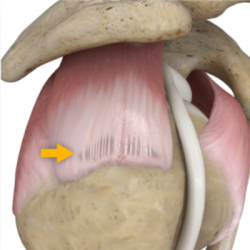
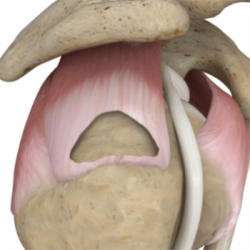
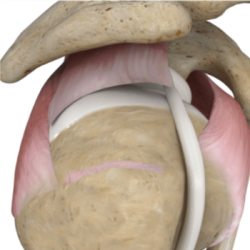
Your shoulder is the most flexible joint in your body, offering the widest range of motion. A ball-and-socket joint, it is supported by several muscles and soft tissues that keep the joint in its place and allow smooth movement. One of the most important parts of this support system is the rotator cuff—a group of four muscles that provide strength and stability to your shoulder. When one or more of these muscles get injured or torn, it can cause pain, weakness and difficulty in arm movement, making even simple everyday activities harder to do.
Rotator cuff tears (RCTs) are amongst the most common joint injuries in adults. It can happen due to natural wear and tear over time or because of an injury.