Knee

Why does my knee hurt?

To understand why your knee hurts, it helps to know how this important joint works. Your knee is the largest joint in your body and functions much like a hinge – allowing you to walk, bend, sit, or climb stairs.

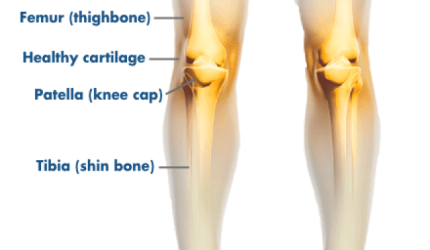
It’s formed where three bones meet:

  • The lower end of your thigh bone (femur),
  • The upper end of your shin bone (tibia), and
  • Your kneecap (patella), which sits in front of the joint.
knee - why knee hurts 2

Strong bands of tissue, called ligaments, keep these bones stable and in the right position. Cartilage acts as a natural cushion, preventing bones from rubbing against each other and absorbing the impact of daily movements like walking, running, or jumping.

Your body also produces a natural fluid called synovial fluid, which keeps the joint well-lubricated and moving smoothly.

When all these parts work together, your knee moves easily – without you even noticing. But when something goes wrong, the pain and stiffness can make even simple movements feel difficult.


Causes of arthritis

Osteoarthritis

i  

With Osteoarthritis, the smooth cartilage that cushions the ends of your bones gradually wears away. As the cartilage thins, the bones in your knee may begin to rub against each other, causing pain, stiffness, and swelling. This is the most common type of arthritis and often develops with age or after years of joint stress.

Rheumatoid arthritis

i  

Rheumatoid arthritis, sometimes called inflammatory arthritis, is an autoimmune condition. This means your body’s immune system mistakenly attacks the lining of your joints, leading to chronic inflammation. Over time, this can damage cartilage and bone, causing pain and deformity if left untreated.2

Post-traumatic arthritis

i  

Post-traumatic arthritis can develop after a serious injury, such as a fracture or ligament tear that affects the knee joint. When the joint surface becomes uneven due to the injury, it increases friction during movement. Over time, this wear and tear can lead to arthritis and joint pain.1,3

What can I do?

If you or any of your family member is experiencing knee pain due to arthritis, start by visiting a trusted hospital and speaking with your doctor immediately.

In most cases, they’ll begin with non-surgical treatments such as medications, physiotherapy, or lifestyle changes to help reduce pain and improve movement. However, if these treatments no longer provide relief, your doctor may discuss advanced options – including joint replacement surgery to replace the damaged parts of your knee and help restore mobility and comfort.

Where can I learn more

If knee pain is affecting your daily life, the right information can help. These resources can guide you as you learn more about your condition and treatment options.